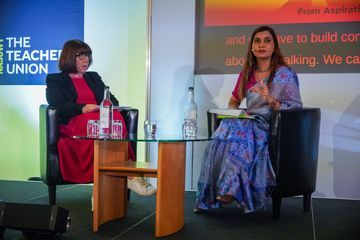


Members of NASUWT – The Teachers’ Union have passed a motion at their 2026 Annual Conference to allow a ballot for national strike action if their calls for change are not met by the government.
Teachers report a, “vicious cycle of decline” in education funding and teachers’ working conditions, leading to overstretched schools, overworked staff, and a recruitment and retention crisis that sees half of all teachers leave the profession within ten years of qualifying.
Teachers are calling for:
- Significant new investment for all needs identified in relation to SEND, including staffing, training and facilities, following concerns over increased teacher responsibilities and a lack of funding for proposals featured in the recent Schools White Paper.
- A reversal of job cuts in schools across the country, where it is often the most experienced – and therefore expensive – teachers who lose their jobs.
- Urgent national action to tackle excessive workload and hours – the average teacher reports working 50 hours per week.
- Withdrawal of any threat to the contractual provisions on working hours (1265 hours) within teachers’ terms and conditions, as suggested by the government in their response to the STRB.
- National pay and conditions for any person working in a state-funded school, including Trust Central teams.
- Accountability for academy trusts, and effective, swift mechanisms for intervention when trusts fail to manage public money effectively.
- Fully funded, real-terms above inflation pay increases which restore the pay lost by the teaching profession over 15 years.
“Every year, we lose over 40,000 teachers. They are tired of working long hours in inflexible jobs that keep them away from their families, pay diminishing salaries, and negatively impact their physical and mental health.
“The government has a basic responsibility to make sure teachers and schools are empowered to succeed. They demand improvements in attendance, attainment and inclusion, but refuse to provide the funding and resources necessary to galvanise meaningful change.
“Teachers cannot continuously be expected to do more with less. It is their turn to demand improvement, and their voices must be heard.
“The government has the power to make a real difference to the lives of teachers and their pupils. The question is not whether they can afford to adequately fund education – it is whether they can afford not to. There is a deeply human cost to their cuts. We say: that stops now.”