

Responding to the Education Authority's call for schools to further reduce spending and avoid additional commitments, NASUWT – the largest teachers’ union in Northern Ireland, has warned that the scale of the financial challenge facing education cannot be solved through further cuts at school level.
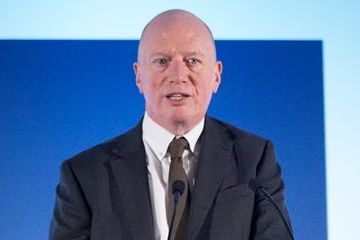
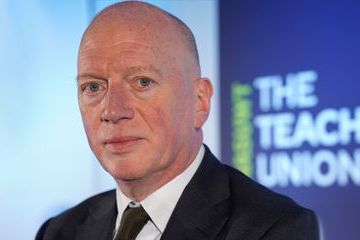
NASUWT General Secretary Matt Wrack said:
"Expecting schools to absorb a funding shortfall of this magnitude through further cuts is completely unrealistic and risks causing significant damage to children's education.
"School budgets are already stretched to breaking point. Many schools have exhausted opportunities to make efficiencies and are now being asked to do more with less at a time when costs continue to rise and demand continues to increase.
"Schools cannot be told to make more cuts when budgets have already been stripped to the bone. What is needed is a sustainable education budget and long-term investment that properly reflects the needs of pupils, teachers and school leaders.
NASUWT National Official Northern Ireland Maxine Murphy-Higgins said:
"This situation raises serious questions about how meaningful progress can be made on reducing teacher and school leader workload. Across Northern Ireland there is broad agreement that excessive workload is damaging staff wellbeing, recruitment, retention and the quality of education.
"NASUWT is currently engaged in discussions about practical measures to address workload. However, meaningful reform requires investment, planning and support. It is difficult to see how workload reduction can be successfully implemented when schools are simultaneously being warned to reduce expenditure and avoid additional commitments.
"For too long our education system has depended upon the goodwill of teachers and school leaders working beyond their contracted hours to compensate for a lack of resources. That is not a sustainable model for delivering education.
"The solution to excessive workload cannot be to continue expecting teachers and school leaders to provide unpaid labour to bridge the gap between what the system demands and what it is prepared to fund.
"If ministers and policymakers are serious about reducing workload, improving educational outcomes and supporting school leaders, they must provide the resources necessary to turn those commitments into reality. Schools cannot continue to carry increasing expectations without the funding required to deliver them."