
We’re continuing our work to challenge the growing influence of far-right narratives, racism and hate in schools, and to support teachers in responding to these threats.
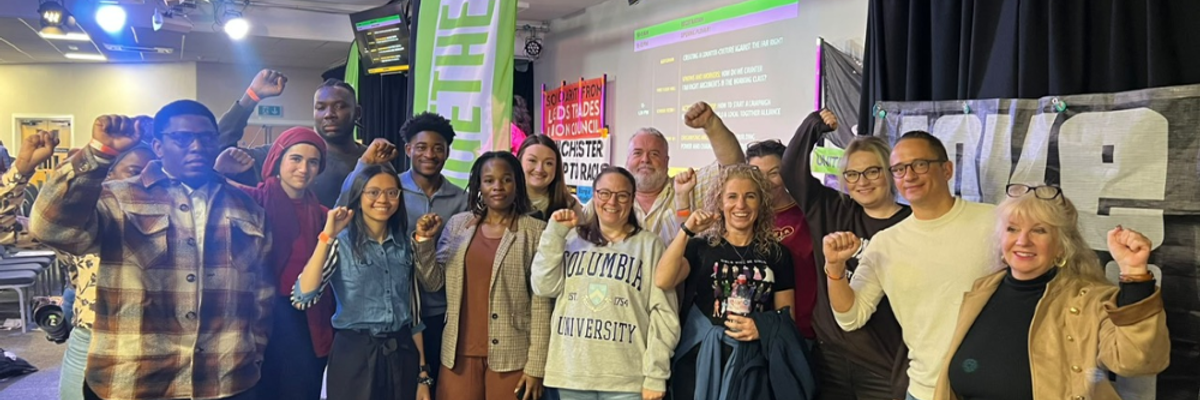
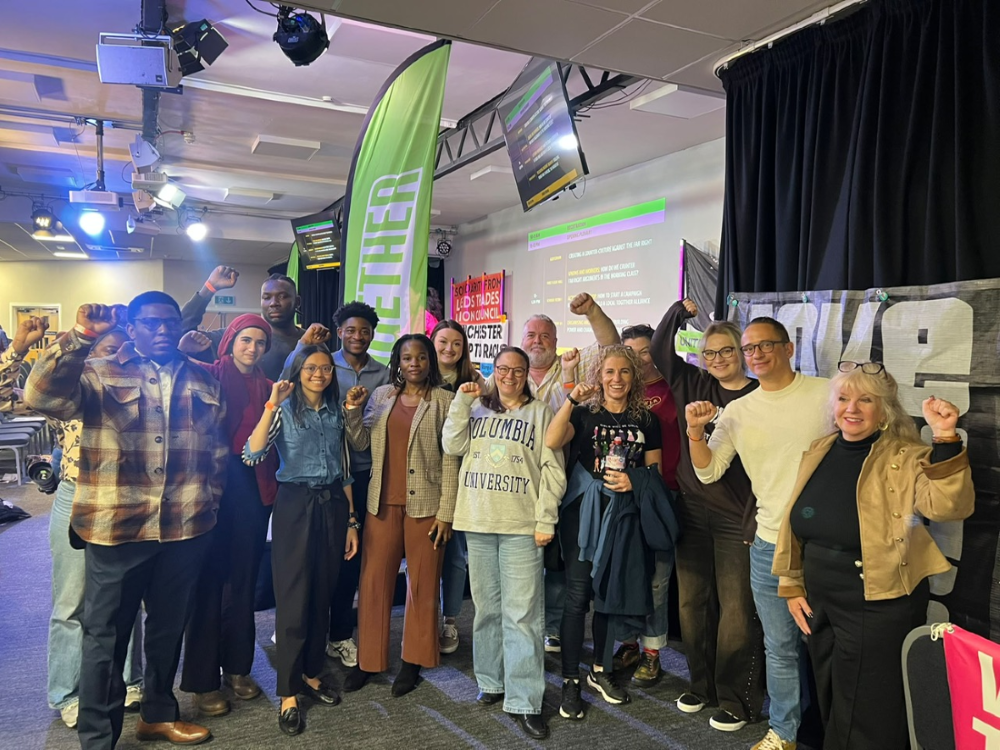
Chinedu Okafor was among a group of teachers who NASUWT took to a recent summit in Manchester organised by the Together Alliance. The event brought those working to challenge racism and the far-right together to develop strategies and organise to challenge division in their communities.
“I decided to take part because I believe everyone deserves to feel safe, respected and accepted, regardless of where they come from or what their background is. As a teacher, I see how important it is for young people to learn not just about their subjects, but also about respect, fairness and how to treat others” Chinedu explained.
Chinedu believes that teachers have an important role to play in shaping how young people understand the world around them, saying: “pupils are exposed to different opinions and messages, including things they see on social media. Some of these messages can encourage prejudice, blame certain groups for society’s problems or make discrimination seem acceptable.
“We cannot assume that these attitudes will simply disappear on their own. As teachers, we need to challenge racism and discrimination when we encounter them, while creating classrooms where pupils feel safe to ask questions, learn from one another and understand different perspectives.
“For me, this is not about telling young people what to think. It is about helping them think critically, question what they see and hear, and understand the impact their words and actions can have on others. Every pupil should be able to come to school feeling that they belong and that they will be treated fairly.”
NASUWT recognises that teachers need support from their schools and unions in addressing these challenges. To support our activity we have recently published a new report exploring how extremist and discriminatory views are reaching children and young people, particularly through social media, online influencers and digital platforms, and how these attitudes can manifest themselves in classrooms and school communities.
The report draws on research, evidence from teachers and a joint project undertaken by NASUWT and the German education union GEW, which brought together teachers from England and Germany to share their experiences and approaches to tackling far-right narratives in education.
It highlights the importance of supporting teachers to challenge racism, misogyny and other forms of discrimination, while navigating their professional responsibilities around political impartiality.