
This report provides the findings from the annual survey of supply teachers in Northern Ireland and highlights the experiences of supply teachers during the academic year 2024/25
Introduction
Nature of work
Access to work
Availability of work
Working for a school
Experiences with schools, staff, parents and pupils when undertaking assignments
Provision of key information when undertaking assignments
Access to facilities and amenities in schools when undertaking assignments
Issues and concerns, including health and safety, for supply teachers
Rates of pay for supply teachers
Financial situation
Training and behaviour management support
Ways in which the Northern Ireland Government could best support supply teachers moving forward
Conclusion
Introduction
Supply teachers are integral to the education system. Without supply teachers, many pupils would be denied the opportunity to be taught by hard-working and dedicated teachers who ensure that schools can continue to provide the education to which children and young people are entitled.
Supply teachers make a vital contribution to securing high educational standards for all children and young people.
NASUWT’s annual survey of supply teachers in Northern Ireland aims to examine the changing experiences of supply teachers, including issues and trends.
The 2024/25 survey was undertaken between July and September.
Nature of work
Supply teachers were asked why they carried out supply teaching work. The top five reasons cited by supply teachers were:
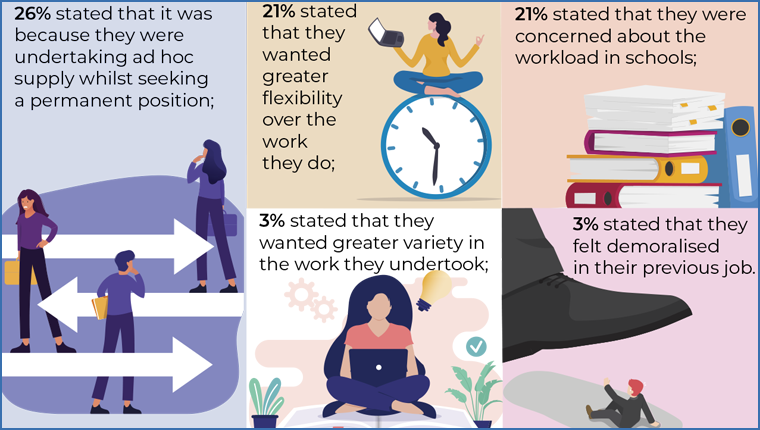
Absolutely loved teaching and enjoyed my job, but it was becoming unsustainable in terms of work-life balance, so I chose to leave my permanent position.
When asked what other advantages/disadvantages were associated with being a supply teacher, the top three advantages cited by supply teachers were freedom and flexibility (35%), not being tied to one school/greater experience of other schools (24%), and reduced workload (13%). However, the top three disadvantages cited by supply teachers, job/financial insecurity (23%), lack of respect (18%), and lack of sick pay (16%).
Supply teachers were asked about their ability to secure work teaching during the academic year 2024/25. Just under four-fifths (78%) reported that they had no problems securing work, whereas 16% reported that they had some problems securing work. Just over one in 20 (6%) supply teachers reported that they had significant problems getting supply work.
The new NISTR software meant schools could not find me.
I was booked for three days, but I stayed for the year.
Access to work
During the academic year 2024/25, just under a third (32%) of supply teachers reported that they were working for one school, just over a quarter (26%) reported that they were working for two schools, and 13% reported that they were working for three schools. Fourteen per cent of supply teachers reported that they were working for four schools, and almost one in 20 (4%) reported that they were working for five schools. Just over one in ten (11%) reported that they were working for more than five schools.
When asked if this was more or less than the number of schools they had worked for during the previous academic year, a third (33%) of supply teachers stated that it was more, 15% stated that it was less, and just over half (52%) stated that it had stayed the same.
Just under two-fifths (38%) of supply teachers reported travelling between 0-10 miles for an assignment, 37% reported travelling between 11-20 miles, 14% reported travelling between 21-30 miles, one in 20 (5%) reported travelling between 31-40 miles for an assignment, just under one in 20 (4%) reported travelling between 41-50 miles, and 2% reported travelling between 51-60 miles for an assignment.
Fifteen per cent of supply teachers reported that they had to travel further than in previous years in order to secure work.
Just under half (49%) of supply teachers stated that the cost-of-living crisis had a detrimental impact on how far they were willing to travel to undertake an assignment.
Availability of work
Supply teachers were asked where they were able to obtain work during the academic year 2024/25.
A third (33%) of supply teachers who responded to the survey stated that they were able to secure work in primary schools, just over three-fifths (62%) stated that they were able to secure work in secondary schools, and just over a fifth (22%) reported that they were able to secure work in special schools/ pupil referral units.
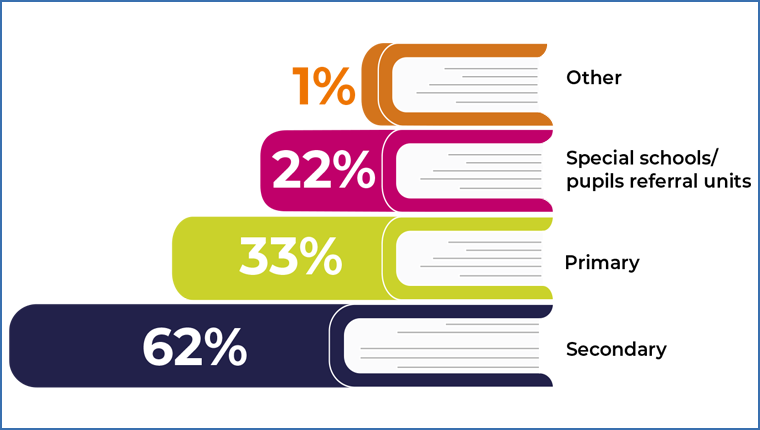
Where supply teachers secured work during the academic year 2024/25
For those supply teachers who reported that they were able to secure work during the academic year 2024/25, two-fifths (40%) reported that the majority of their supply teaching was short-term supply (e.g. ad hoc for two days or fewer), one in ten (10%) said that this was weekly assignments, and just over one in 20 (7%) stated that this was monthly assignments. Just over one in 20 (6%) supply teachers reported that the majority of their work was termly assignments, and under two-fifths (37%) stated that the majority of their teaching was on longer term assignments in excess of a term.
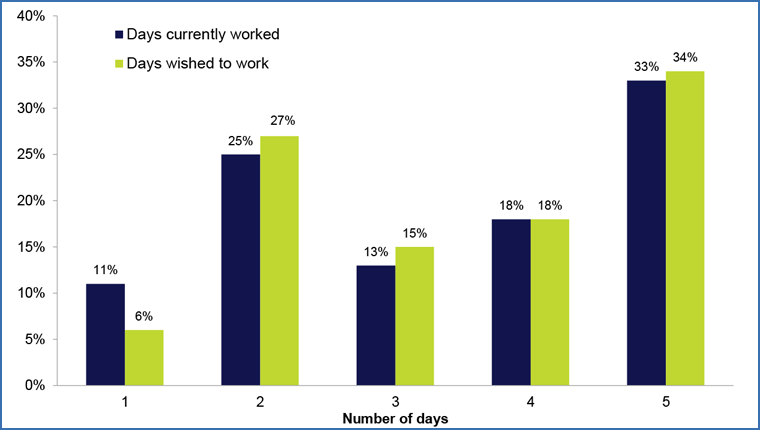
When supply teachers were asked how many days on average they were able to obtain work during the academic year 2024/25, just over one in ten (11%) said they secured work one day a week, a quarter (25%) two days a week, and 13% three days a week.
Just under a fifth (18%) of supply teachers in the survey said they were able to secure work for four days a week, and a third (33%) stated that they were able to secure work five days a week. However, just over two-thirds (67%) said that they wanted to work between three to five days a week.
Fifteen per cent of supply teachers stated that the amount of supply work had decreased during 2024/25 compared to the previous academic year, whereas just under a third (32%) of supply teachers stated that the amount of supply work had increased. Over half (53%) of respondents stated that the amount of supply work they were able to secure had stayed the same.
Level of sick leave in primary schools increased significantly this year, particularly from January.
Working for a school
Supply teachers were asked about their experiences working for a school during the academic year 2024/25.
Experiences with schools, staff, parents and pupils when undertaking assignments
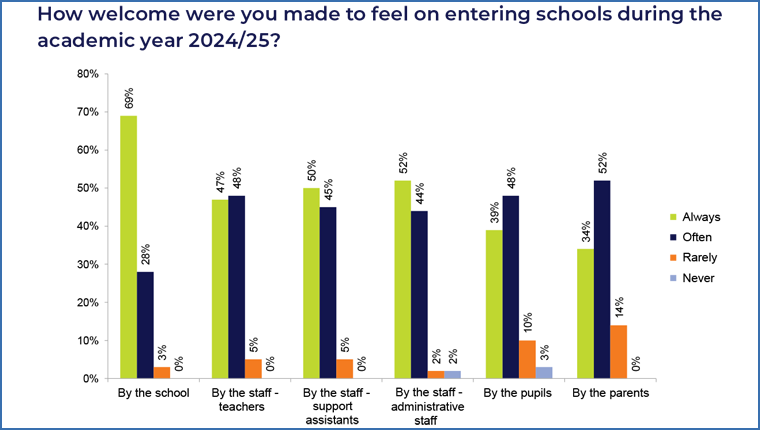
Over two-thirds (69%) of supply teachers reported that they are always made to feel welcome by the school, and over a quarter (28%) stated that they are often made to feel welcome by the school. However, 3% stated that they are rarely made to feel welcome by the school.
When asked how welcome they are made to feel by the teaching staff in schools, under half (47%) of supply teachers reported that they are always made to feel welcome, and just under half (48%) reported that they are often made to feel welcome by the teaching staff in schools. However, one in 20 (5%) supply teachers stated that they are rarely made to feel welcome by the teaching staff in schools.
When asked how welcome they are made to feel by the support assistants in schools, half (50%) of supply teachers reported that they are always made to feel welcome, and well in excess of two-fifths (45%) reported that they are often made to feel welcome by the support assistants in schools. However, one in 20 (5%) supply teachers stated that they are rarely made to feel welcome by support assistants in schools.
When asked how welcome they are made to feel by the administrative staff in in schools, just over half (52%) of supply teachers reported that they are always made to feel welcome, and well in excess of two-fifths (44%) reported that they are often made to feel welcome by the administrative staff in schools. However, 2% reported that they are rarely made to feel welcome by the administrative staff in schools, and another 2% stated that they are never made to feel welcome by the administrative staff in schools.
When asked how welcome they are made to feel by the pupils in schools, almost two-fifths (39%) of supply teachers reported that they are always made to feel welcome, and just under half (48%) reported that they are often made to feel welcome by pupils in schools. However, one in ten (10%) supply teachers reported that they are rarely made to feel welcome by the pupils, and 3% stated that they are never made to feel welcome by the pupils.
When asked how welcome they are made to feel by the parents, just over a third (34%) of supply teachers stated that they are always made to feel welcome, and just over half (52%) stated that they are often made to feel welcome by the parents. However, 14% reported that they are rarely made to feel welcome by the parents.
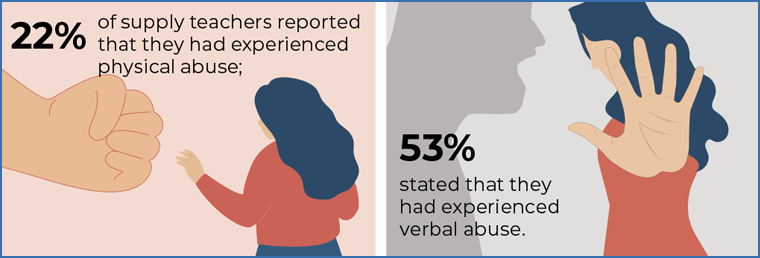
Just over a fifth (22%) of supply teachers reported that they had experienced physical abuse or violence from pupils when undertaking an assignment, and over half (53%) stated that they had experienced verbal abuse or violence from pupils when undertaking an assignment during the 2024/25 academic year.
Just over nine out of ten (91%) supply teachers indicated that they had reported the incident/s to someone in the school; however, of those who did report the incident, a quarter (25%) stated that no action was taken against the pupil, and 15% stated that they didn’t know or were not informed whether or not any action was taken.
A bin was thrown, striking the head and drawing blood.
Cursed at. Told to ‘go back where you came from’. Spoken to without respect on a daily basis.
I was a bit hesitant on telling someone as I thought this would lead to me not getting any further work in the school due to making complaints.
Provision of key information when undertaking assignments
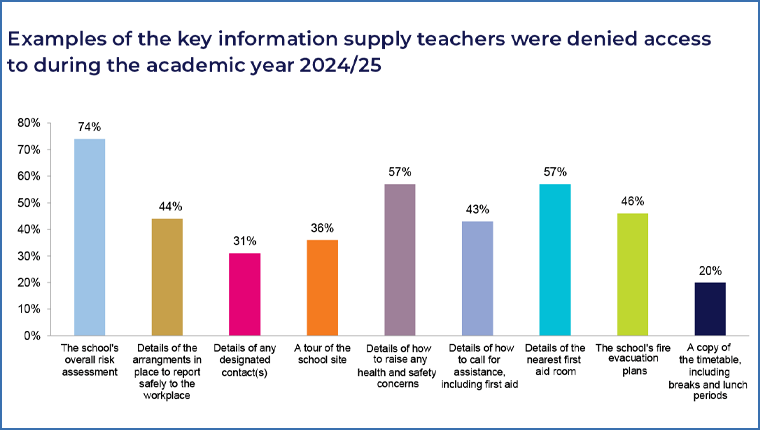
Of those supply teachers able to secure work during the 2024/25 academic year, almost three-quarters (74%) stated that they were not given the school’s overall risk assessment, and just over one in 20 (7%) stated that they were not sure.
Well in excess of two-fifths (44%) of supply teachers stated that they were not given the arrangements in place for supply teachers to report safely to the workplace, and 26% reported that they were not given the details of who and where to report to each day, including details of the signing-in process.
Just under three-quarters (72%) of supply teachers stated that they were not provided with the details regarding access to, and availability of, hand sanitiser, and 70% reported that they were not provided with the details in place to ensure classrooms and work areas were well ventilated.
Just under a third (31%) stated that they were not provided with the details of any designated contact(s) for any questions, problems or emergencies.
Just under three-fifths (57%) of supply teachers reported that they were not provided with the details of how to raise any concerns about health and safety, and over two-fifths (43%) reported that they were not provided with the details of how to call for assistance, including first aid. Furthermore, 57% of supply teachers reported that they were not provided with the details of the nearest first aid room or appropriate area.
In regards to the school’s fire evacuation plans, including routes and procedures, well in excess of two-fifths (46%) of supply teachers reported that this was not provided to them when undertaking assignments in schools during the 2024/25 academic year.
Over a third (36%) stated that they had not been given a tour of the school site, including identifying where they would be teaching when undertaking assignments in schools.
In respect to the timetable, including breaks and lunch periods, as well as expectations on staff during such times, a fifth (20%) of supply teachers reported that information regarding this had not been provided to them when undertaking assignments in schools.
Over a third (37%) of respondents reported that they had not been provided with the details of the registration process and expectations for the appropriate movement of pupils around the school site between lessons, at breaks, at lunchtimes, and at the end of the school day when undertaking assignments during the 2024/25 academic year.
In regards to teaching, over two-fifths (43%) of supply teachers reported that they were not provided with details of how to access relevant information on schemes of work for the subjects they were expected to teach, and almost two-fifths (39%) reported that they had not been provided with access to relevant teaching materials.
Everything that is provided completely varies from school to school. A few schools have a class file of booklets, including log-in information and behaviour policy. For the majority, it comes down to what the class teacher provides on their notes.
In addition, a fifth (20%) of supply teachers stated that they were not provided with the details regarding access to computers, with log-in details and what to do at the end of the school day, and just under two-thirds (64%) reported that they were not provided with the details of any resources they might reasonably be expected to provide to students, such as pens.
Just under half (48%) of respondents stated that they were not provided with a list of the pupils in the class(es) they would be teaching, including details of any medical conditions, behavioural issues or special educational needs and disabilities (SEND), and two-thirds (66%) of supply teachers stated that they had not been provided with the details of any pupils known to be potentially violent, and how this should be managed.
Furthermore, over two-fifths (43%) of supply teachers reported that they had not been provided with the behaviour management policy when undertaking assignments in schools, including who to contact. Over a third (35%) of supply teachers reported that they had not been provided with the details of any events, meetings or specific activities taking place, and over half (52%) stated that they had not been provided with the arrangements for school transport, as appropriate, when undertaking assignments during the 2024/25 academic year.
In one school I subbed in this year, I did not receive information regarding bus duty and break duty and was made to feel bad for missing them because this information was not communicated to me. It was my responsibility to go out and find information such as SEN data, academic data, PLP’s etc.
Access to facilities and amenities in schools when undertaking assignments
When asked about their most recent assignment, 12% of supply teachers stated that they do not always have access to staff rooms where they were available, under half (47%) stated that they do not always have access to staff food and drink facilities, and just under one in ten (8%) said that they do not always have access to toilet/washroom facilities. Seventeen per cent reported that they do not always have access to car parking.
When asked about the last assignment undertaken during the academic year 2024/25, almost three-fifths (59%) of supply teachers reported that they had access to a designated contact person, whereas 29% of supply teachers reported that they did not have access to a designated contact person.
47% of supply teachers stated that they do not always have access to staff food and drink facilities when undertaking assignments
Issues and concerns, including health and safety, for supply teachers
Almost a fifth (19%) of supply teachers stated that they do not feel that any issues and concerns they have raised are taken seriously, and almost two-fifths (39%) stated that they didn’t know.
Over a quarter (28%) of supply teachers who secured work during the academic year 2024/25 stated that they were concerned about their health and safety when undertaking supply work in schools, and just under one in ten (8%) thought that they may have been penalised or had work cancelled for disclosing personal information about their health and safety (e.g. pregnant).
Mental wellbeing on account of pupil attitude and behaviour.
Behaviour of pupils - there isn’t a quick enough response. Pupils not being removed.
Rates of pay for supply teachers
In respect of rates of pay, supply teachers were asked if they had been paid at the correct point on the teachers’ pay scale for the work they had undertaken during the academic year 2024/25.
Over nine out of ten (92%) reported that they had been paid on the correct point on the teachers’ pay scale, but just under one in ten (8%) stated that this was not the case.
I was told by the Principal that the more expensive might not get supply work.
Almost a fifth (19%) of supply teachers reported that they have been offered work as a cover supervisor, teaching assistant or similar role, and, where they have been offered these roles, just under three-fifths (58%) reported that these were offered at a lower rate of pay than would have been received for teaching.
Financial situation
Supply teachers were asked about their financial situation during the academic year 2024/25.
Almost a quarter (24%) of supply teachers reported that they had sourced work elsewhere other than teaching during the academic year. Of those, in excess of nine out of ten (93%) stated that the work sourced elsewhere other than teaching failed to provide the same level of financial income that they would have obtained had they been able to obtain work teaching.
Just over one in ten (11%) supply teachers reported having to claim some form of state benefit during the academic year (e.g. Universal Credit), and just over a third (35%) of respondents stated that they had experienced financial hardship as a supply teacher over the same period.
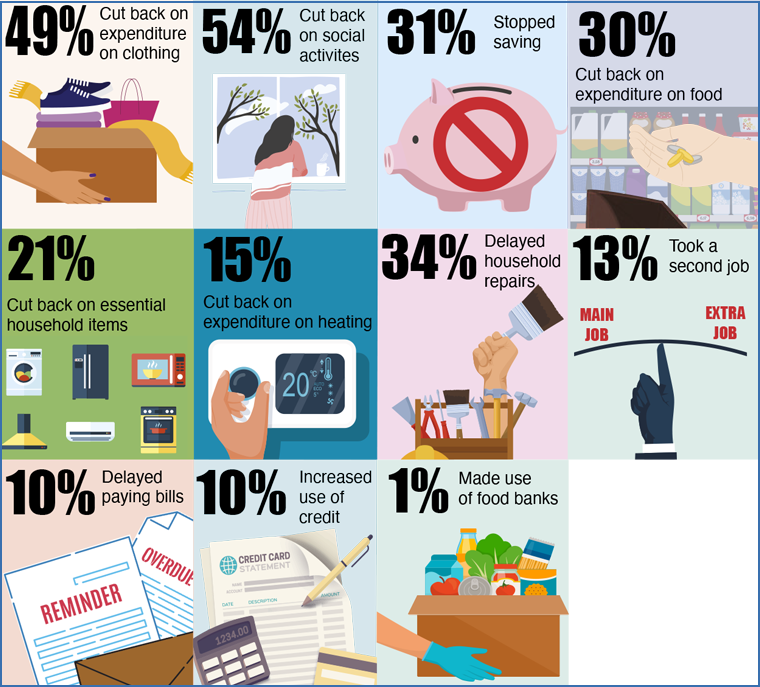
35% of supply teachers stated that they had experienced financial hardship
I cannot make long-term plans, I cannot save as much as I want to, I cannot support our daughter the way I want to. There is always insecurity about the next year.
Can’t have another child, even though I don’t want a big age gap. Can’t get mortgage or save due to lack of work.
Almost four-fifths (79%) who responded stated that undertaking supply work, and the inability to secure a permanent post, had affected their ability to make significant life decisions
Training and behaviour management support
Three-fifths (60%) of supply teachers stated that they had not been given access to continuing professional development (CPD) in the last 12 months.
For those supply teachers who accessed CPD, just over a third (34%) stated that this had been provided by the education authority, just over half (52%) stated that this had been provided by schools, over a quarter (28%) stated that this had been provided by their trade union, and almost a quarter (24%) reported that it had been provided by a subject specialist organisations/ exam board.
60% of supply teachers stated that they had not been given access to CPD
Massive lack of CPD opportunities for day-to-day subs. Never get included in any school CPD days.
In regards to participating in in-service training (INSET) days provided by schools during the 2024/25 academic year, a fifth (20%) of supply teachers reported that they were asked to participate in all the INSET days in schools where they undertook assignments, whereas 2% reported that the majority of schools asked them to participate in INSET days, and almost a fifth (19%) stated that a few schools asked them to participate in INSET days.
However, almost three-fifths (59%) of supply teachers reported that they were not asked to participate in any INSET days provided by the schools where they undertook assignments.
Schools often asked me to participate in days where staff were required to work. In one school, I was treated like a permanent member of staff and participated in all INSET days, but in the other school I was not asked to attend the Wellbeing Day.
A quarter (25%) of supply teachers reported that they do not feel they are treated with respect and dignity
It’s great in a long-term position. Day to day is tough and some pupils, parents and staff will never give you the respect as a permanent member of staff. Parents often complain about ‘subs’, even if they’re long term, as they think they’re getting a teacher who isn’t as qualified.
Sometimes staff don’t engage with you because you’re only there for the day. There can be comments that undermine you by support staff like, ‘You wouldn’t behave like this if your teacher was here’.
Some schools go above and beyond to support supply staff and treat them like real members of staff, but other schools go out of their way to not have to pay you. Being paid through NISTR can be stressful as it depends on the bursar to sign days off and it’s another task to sit and check everything has been signed off and exported to payroll on time.
Just over a third (35%) of supply teachers who responded stated that, based on their experiences during the 2024/25 academic year, they were currently looking for work outside of teaching
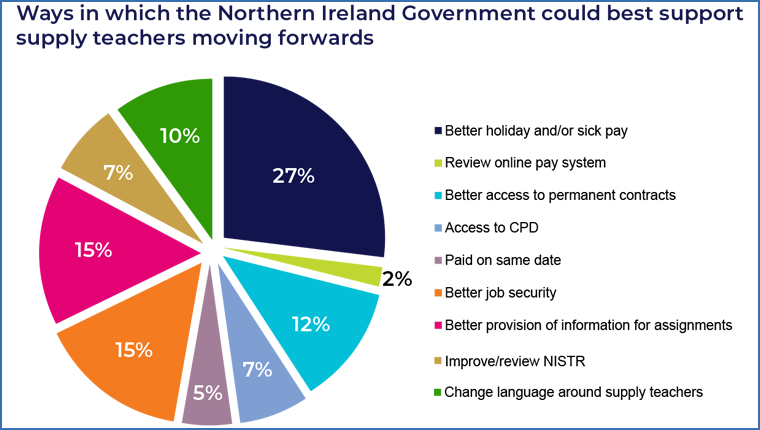
Ways in which the Northern Ireland Government could best support supply teachers moving forward
Conclusion
The survey of supply teachers emphasises the continuing critical role that supply teachers have played in maintaining educational provision in schools in Northern Ireland during the 2024/25 academic year.
However, the survey suggests that the experiences of supply teachers throughout the 2024/25 academic year have been varied. For some supply teachers, the opportunities for work has increased, whereas there has also been an increase in those reporting significant problems securing work.
The availability and nature of the work supply teachers in Northern Ireland have been able to access have also altered, with an increase in those working in short-term ad-hoc daily assignments as opposed to longer term assignments.
As a consequence, a number of supply teachers are still in the position of having to make tough decisions about their expenditure, including a minority who have had to rely on food banks or the generosity of family and friends to make ends meet.
Whilst it appears that school communities are more welcoming to supply teachers, specifically parents and pupils, less schools are now offering supply teachers access to CPD and many more are no longer providing access to key information when undertaking assignments, specifically in regards to critical health and safety information, such as a school’s overall risk assessment and how to call for assistance, including in regard to first aid; both of which are vital for supply teaches to be able to safely discharge their duties.
It therefore comes as no surprise that there has been an increase in those supply teachers reporting that they were concerned about their health and safety, coupled with a decline in the number of supply teachers stating that they are treated with respect and dignity.
There are concerns that these disparities in treatment are impacting disproportionately on women, Black and minority ethnic (BME) groups and disabled teachers, who are more likely to be employed as supply teachers.
In this context, the results from the 2024/25 survey substantiate the pressing need for a Better Deal for Supply Teachers which recognises and values the important and significant contribution they make to the education system in Northern Ireland.
The full survey report can be downloaded on the right/below.